How much does 3D printing cost?
Quick answer
Professional 3D printing starts from $5 per part for small plastic parts and from $45 per part for metal. At MakeNow, starting prices are: FDM from $5, SLA from $8, MJF and DLP from $9, SLS from $10, PolyJet from $15 and DMLS metal from $45 per part. The real price depends on your part's volume, bounding box, material, quantity, finish and lead time. A small FDM propeller starts from $7.20, while a larger SLS nylon duct starts from $18.40. Upload your file to get an exact price in under a minute.
Get a price for your own file →What decides the price of a 3D printed part?
There is no fixed price per gram or per hour that fits every service. A professional quote is built from a few factors, and once you know them you can predict whether a design will be cheap or expensive.
- Part volume: how much material is actually printed. More material means more cost and longer print time.
- Bounding box: the size of the box your part fits in. In powder-bed processes like SLS and MJF, a large part blocks space in the build chamber, even if it is mostly empty.
- Geometry: supports, thin features and tall parts can add print and post-processing time, depending on the technology.
- Technology and material: filament is cheaper than resin, and resin or nylon is cheaper than metal powder.
- Quantity: setup and handling are shared across more parts, so the price per part usually drops as quantity goes up.
- Finish: dyeing, smoothing, painting and threaded inserts add labor.
- Lead time and delivery: faster delivery costs more.
The MakeNow quoting engine analyzes exactly these things from your file (volume, bounding box and geometry), then applies the material, finish, quantity and lead time you select. The price you see is the final price, with no hidden fees.
How much does 3D printing cost by technology?
The table shows MakeNow's published starting prices. These are the lowest prices for small, simple parts. Larger or more complex parts cost more.
| Technology | Typical materials | Best for | From |
|---|---|---|---|
| FDM | PLA, PETG, ABS, ASA, TPU, PC, PA-CF | Prototypes, jigs, brackets | $5 / part |
| SLA | Standard, Tough, Rigid, Clear, Flexible resins | Visual models, precision fits | $8 / part |
| MJF | PA12, PA12 GB, PA11, TPU, PP | Production series, connectors | $9 / part |
| DLP | Engineering and dental resins | Fast, detailed resin parts | $9 / part |
| SLS | PA12, PA11, glass-filled PA, TPU | End-use parts, hinges, ducts | $10 / part |
| PolyJet | Rigid, rubber-like, clear, multi-color | Realistic prototypes, overmolds | $15 / part |
| DMLS / SLM metal | AlSi10Mg, 316L, Ti64, Inconel | Functional metal parts | $45 / part |
| Large-format FDM | PLA, PETG, ASA, PC | One-piece parts up to 1 m | $60 / part |
As a rule of thumb, FDM is the cheapest way to get a functional plastic shape. SLA costs a bit more but gives much smoother surfaces. SLS and MJF cost more again but give strong nylon parts that can be used in service. Metal printing is in a different price class because the powder, machines and post-processing are much more expensive.
What do real 3D printed parts cost?
Starting prices are useful, but it helps to see real parts. These are example parts made in MakeNow workshops, with their typical starting prices for the pictured geometry:
- MJF PA12 side-release buckle, 9 cm: from $6.80
- FDM PLA propeller, 11 cm: from $7.20
- SLA rigid resin camera mount, 6 cm: from $8.90
- SLA tough resin drive gear, 6 cm: from $9.50
- FDM PETG electronics enclosure, 9 cm: from $14.20
- SLS PA12 Y-duct manifold, 12 cm: from $18.40
Look at the pattern. The buckle is thin and compact, so it uses little material and nests well in an MJF build. The enclosure and the duct are larger and take up more volume and chamber space, so they cost more. Size and volume move the price more than the choice between two similar technologies.
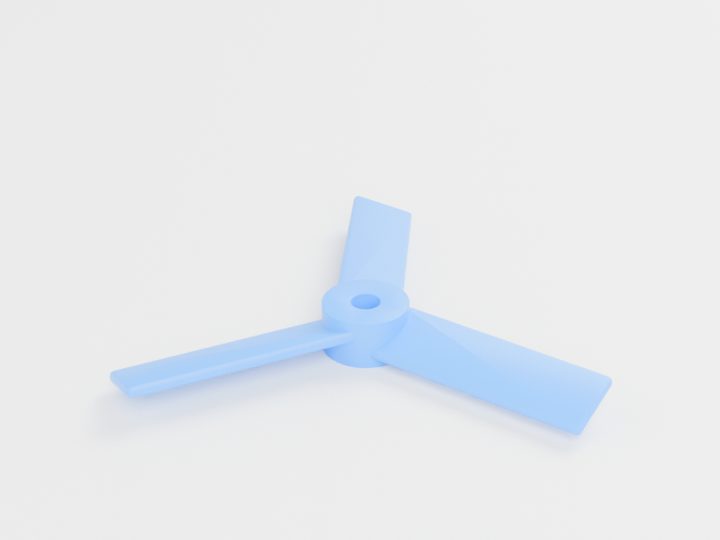
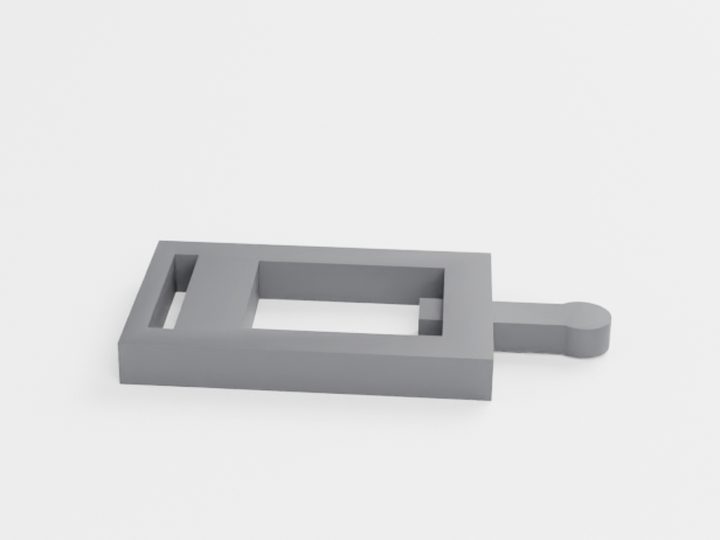
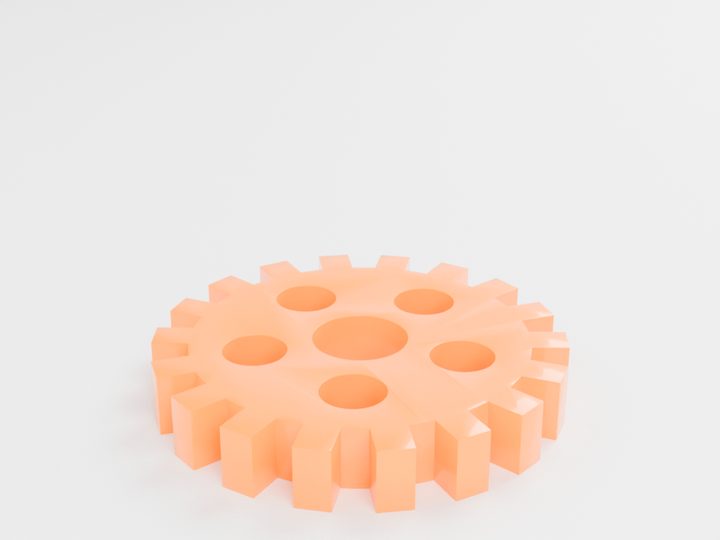
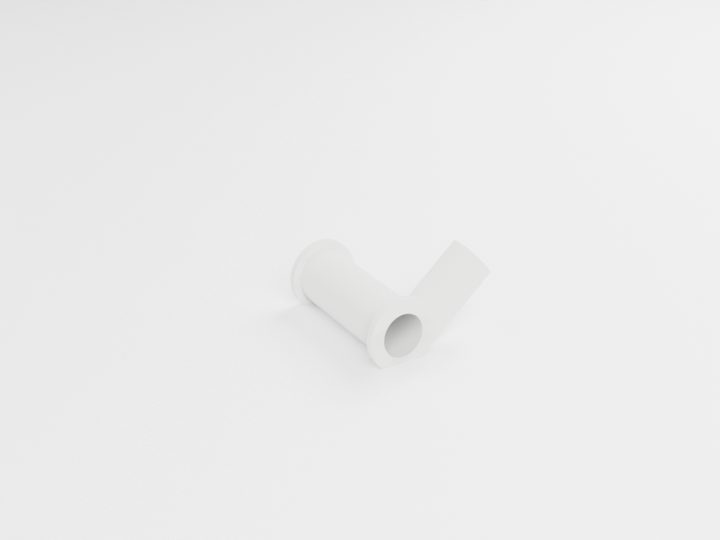
Typical starting prices for the pictured parts. Your exact price is calculated from your own file.
Why is one quote so much higher than another?
When two parts look similar but one quote is much higher, the cause is usually one of these:
- Solid, thick sections. A part designed as a solid block uses far more material than one with sensible walls.
- Large bounding box. A long, thin or L-shaped part can cost more than a compact part with the same volume.
- Premium material. Glass-filled nylon, PA11, clear resin or metal costs more than standard PLA, Standard resin or PA12.
- Extra finishing. Painting, vapor smoothing or inserts are added per part.
- Fast lead time. Rushing a job means it has to jump the queue.
A common mistake is to compare quotes from different technologies as if they were the same product. An FDM part and an MJF part may have the same shape, but they are not the same in strength, surface or accuracy. Compare like with like.
Also check what is included. At MakeNow, every order includes a manufacturability check of your file and dimensional inspection before dispatch, and the instant quote is the final price. A low headline price that later grows with setup fees, shipping surprises or finishing extras is not really cheaper.
How can you lower the cost of 3D printing?
Most savings come from the design, not from negotiating. In practice, these steps make the biggest difference:
- Choose the simplest process that does the job. For a fit check or a jig, FDM is often enough. Save SLA for smooth visual parts and SLS or MJF for functional nylon parts.
- Remove material you do not need. Use ribs instead of solid blocks, and keep walls at a sensible thickness. In SLS and MJF, hollow out thick areas and add escape holes for the powder.
- Make the part compact. If a part is long and thin, check whether it can be split, folded or shortened.
- Order the right quantity at once. Ordering 20 parts in one go is usually cheaper per part than ordering 5 parts four times.
- Skip finishes you do not need. A raw MJF part is already usable; dye or paint only if appearance matters.
- Plan ahead. A standard lead time is cheaper than an express one.
The design rules behind these tips are explained in our 3D printing design guide.
Is 3D printing cheaper than CNC machining or injection molding?
For one-off parts and small series, 3D printing is usually the cheapest option for plastic parts, because there is no tooling and almost no setup. Complex shapes cost about the same to print as simple ones.
CNC machining starts higher (aluminum from $25 / part, engineering plastics from $18 / part at MakeNow) but gives tighter tolerances, real metal properties and better surface finish. If you need a strong metal part with precise holes, CNC is often cheaper than metal printing. Read our CNC machining cost guide for details.
Injection molding becomes cheaper only at high volumes, once the mold cost is spread over many parts. For prototypes and small to medium series, printing in nylon with MJF or SLS is often the more economical route, and there is no minimum order quantity.
How do you get an exact 3D printing price?
The fastest way is to let the software measure your part. On MakeNow you upload an STL, OBJ, STEP or 3MF file (up to 100 MB), and the price appears in under a minute. You can switch between FDM, SLA, SLS and MJF and see each price update live, together with the delivery date.
No account is needed to see the price, and your file is used only to quote and produce your order. First-time customers also get 10% off their first order (maximum discount $100).
Upload your file to see your exact price and compare technologies side by side. If you are unsure which process fits, our 3D printing page explains each one.
Questions people ask
How much does it cost to 3D print a small part?
At MakeNow, small plastic parts start from $5 with FDM, $8 with SLA and $9 with MJF. The exact price depends on the part's volume, size, material and quantity.
Is 3D printing priced by weight or by time?
Professional services usually price from the part's volume, bounding box and geometry, plus material, finish, quantity and lead time. Weight and print time are part of that, but not the whole picture.
Why is metal 3D printing so expensive?
Metal powders, the machines and post-processing such as support removal and heat treatment cost much more than plastics. At MakeNow, DMLS metal parts start from $45 per part.
Does ordering more parts lower the price?
Usually yes. Setup and handling are shared across the batch, and powder-bed processes can pack many parts into one build, so the price per part tends to drop with quantity.
Ready to make your part?
Upload your file. Price in under a minute. No account needed.
Get my instant quoteSTL · STEP · OBJ · 3MF · DXF · SVG · up to 100 MB