FDM vs SLA 3D printing: differences and when to use which
Quick answer
Choose FDM for cheap, fast, functional prototypes, jigs, fixtures and larger parts, where visible layer lines are fine. It starts from $5 per part. Choose SLA when you need smooth surfaces, fine detail, small features or tighter fits, such as visual models, gears, housings and clear parts. It starts from $8 per part. SLA holds about ±0.2% (min ±0.1 mm), FDM about ±0.5% (min ±0.5 mm). For tough end-use nylon parts, look at SLS or MJF instead.
Get a price for your own file →What is the difference between FDM and SLA?
FDM (Fused Deposition Modeling) melts a plastic filament and lays it down through a nozzle, line by line and layer by layer. Think of a very precise hot glue gun. It prints real thermoplastics such as PLA, PETG, ABS and nylon.
SLA (Stereolithography) uses a light source to cure liquid resin, one thin layer at a time. The light can draw much finer detail than a nozzle can, so the surfaces come out smooth and the edges crisp. The parts are made from photopolymer resins, with grades that behave like rigid, tough, flexible or clear plastics.
Both are mature, reliable processes. The choice is not about which is better in general, but which fits your part: how it must look, how precise it must be, how strong, how large, and how many you need.
How do FDM and SLA compare side by side?
Here are the key differences, using MakeNow's process specifications.
| FDM | SLA | |
|---|---|---|
| Layer height | 100–300 µm | 25–100 µm |
| Typical tolerance | ±0.5% (min ±0.5 mm) | ±0.2% (min ±0.1 mm) |
| Surface | Visible layer lines | Smooth, near injection-molded look |
| Max part size | 500 mm (1000 mm large-format) | Smaller build volume |
| Materials | PLA, PETG, ABS, ASA, TPU, PC, Nylon, CF-filled | Standard, Tough, Rigid, Flexible, Castable, Clear resins |
| Strength | Good, weaker across layers | Good stiffness, more brittle (except Tough) |
| Best for | Prototypes, jigs, brackets | Visual models, precision fits |
| Price from | $5 / part | $8 / part |
In short: FDM wins on cost, size and real thermoplastics. SLA wins on detail, surface and accuracy.
Which is stronger, FDM or SLA?
It depends on the material and the direction of the load. FDM parts are made of real engineering thermoplastics. PETG, ABS, PC and carbon-filled nylon are tough and handle impact well. The weak point is the bond between layers: an FDM part pulled across its layers can split along a layer line.
SLA parts are more uniform, because each layer is chemically bonded to the next. They are stiff and precise, but standard resins are more brittle than thermoplastics and can crack under impact or repeated bending. For functional SLA parts, Tough resin behaves more like ABS, and Rigid 10K gives very high stiffness.
In practice, I would print a bracket that gets bolted, loaded and dropped in PETG or PC on FDM, oriented so the load runs along the layers. I would print a small gear, a snap-free housing or a precise fixture insert in Tough or Rigid resin on SLA. If the part must flex repeatedly or take real abuse in service, nylon from SLS or MJF is usually the better answer than either.
Which gives better detail and surface finish?
SLA, clearly. With layers down to 25 µm, SLA prints small text, thin ribs, fine threads and sharp edges that FDM cannot draw with a nozzle around 0.4 mm wide. Surfaces are smooth enough to paint directly, and Clear resin can be polished to see through.
FDM layer lines are visible, especially on curved and sloped faces. They can be reduced with smaller layers, sanding, priming and painting, which MakeNow offers as post-processing. But if the part must look finished out of the box, SLA saves that work.
One thing to remember with SLA: it always prints with supports, which leave small marks where they touch the part. Put cosmetic faces away from the supports, or tell us which face matters. Our 3D printing design guide covers this and the minimum wall and hole sizes for both processes.
When should I choose FDM?
- Early prototypes where you want to check size, fit and ergonomics quickly and cheaply.
- Jigs, fixtures and tooling for the workshop floor, where function matters more than looks.
- Larger parts such as enclosures, covers and brackets up to 500 mm, or up to 1 m with large-format FDM.
- Specific thermoplastics, like ASA for outdoor UV resistance, PC for heat, TPU for flexible parts, or carbon-filled nylon for light, stiff frames.
- Tight budgets, where the lowest price per part decides.
FDM is also forgiving on part size versus price. A larger, mostly hollow part can stay affordable because FDM prints walls and a sparse infill rather than a solid block.
When should I choose SLA?
- Visual and presentation models that need to look like the final product.
- Small, detailed parts such as gears, connectors, clips and miniature features.
- Precision fits, where a feature must land within about ±0.1 mm.
- Clear parts for light guides, fluidics and see-through housings.
- Molding and casting patterns, using smooth or castable resins.
- Rubber-like mockups using Flexible or Elastic resins.
A common mistake is choosing SLA for a large, thick part only for the finish. Resin is more expensive per volume than filament, so a big solid SLA part can cost much more than the same part in FDM plus some sanding and paint.
Can I use FDM and SLA in the same project?
Yes, and it is often the smartest plan. Many product projects move through stages, and each stage has a different priority.
- Concept and fit checks: print the first versions in FDM. They are cheap, so you can change the design several times without worrying about cost.
- Detail and precision checks: once the shape is stable, print the small or precise parts in SLA to check fits, clips and fine features.
- Presentation models: use SLA for the parts people will see and touch, and keep internal brackets in FDM.
- Functional testing and small series: move to nylon on SLS or MJF, or to CNC machining for metal parts.
Because there is no minimum order, you can mix processes in one order: the enclosure in PETG, the buttons in Tough resin. Upload each part and pick the process per part. Lead time is similar for both, since production typically starts within 48 hours, and your delivery date is shown in the quote before you pay.
One practical tip: keep the same STEP file as the master for every stage. Switching process should mean changing a setting in the quote, not redrawing the part. If you designed for FDM with generous clearances, check them again before moving to SLA, because the tighter SLA tolerance may make a loose fit feel sloppy.
How much do FDM and SLA parts cost?
MakeNow FDM starts from $5 per part and SLA from $8 per part. The quoting engine calculates your exact price from the part's volume, bounding box and geometry, plus the material, finish, quantity and lead time you pick. Small parts are close in price between the two; for large parts, FDM is usually much cheaper. Ordering several copies of the same part also lowers the price per part in both processes, and choosing a standard material and finish keeps the cost down further.
Here are real sample parts in both processes, with their prices:
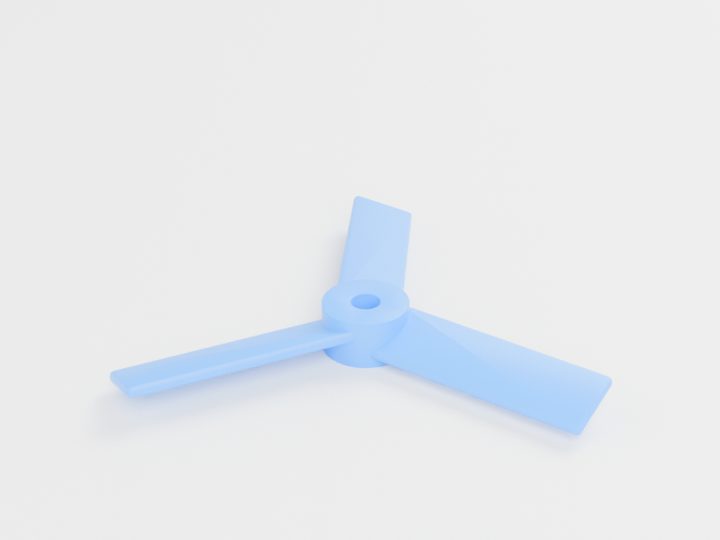
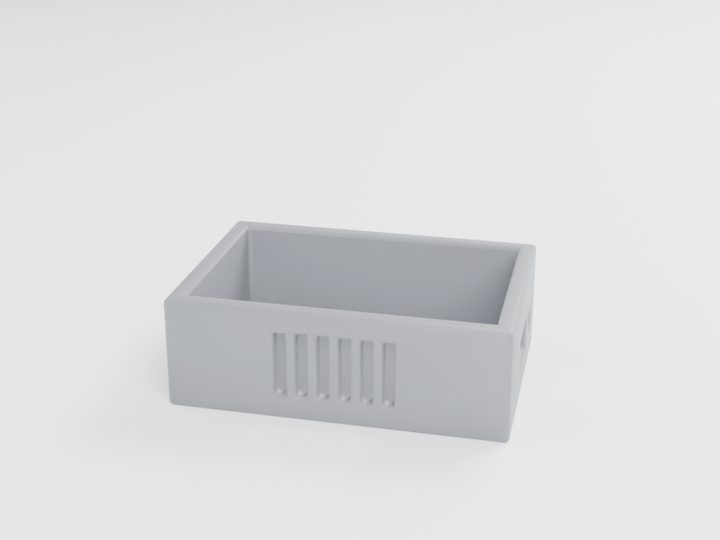
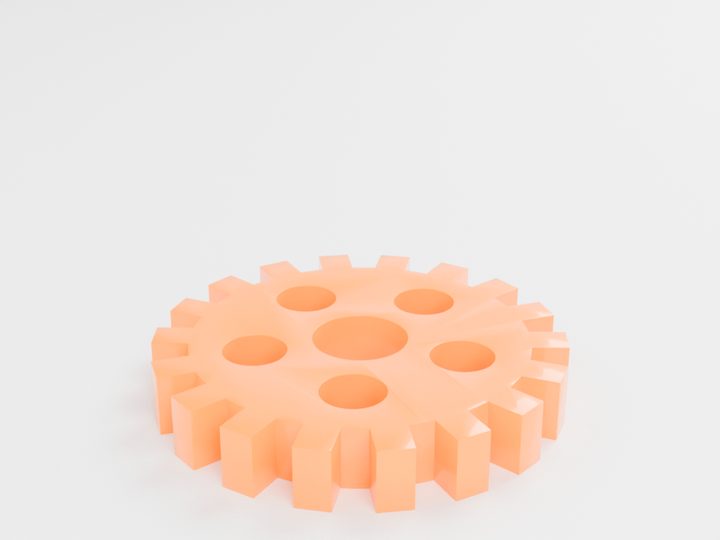
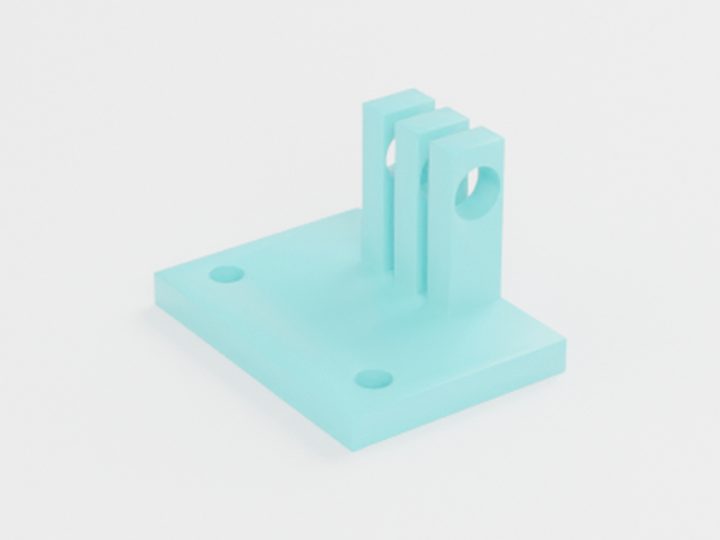
Typical starting prices for the pictured parts. Your exact price is calculated from your own file.
For a deeper look at what moves the price, see our 3D printing cost guide. Or upload your file to compare FDM and SLA prices side by side; the quote tool shows every compatible technology in under a minute, with no account needed.
Questions people ask
Is SLA more accurate than FDM?
Yes. MakeNow SLA holds about ±0.2% with a minimum of ±0.1 mm, while FDM holds about ±0.5% with a minimum of ±0.5 mm. SLA is the better choice for precise fits and small features.
Is FDM or SLA cheaper?
FDM is usually cheaper, starting from $5 per part versus $8 for SLA. The gap grows with part size, because resin costs more per volume than filament.
Can SLA parts be used outdoors?
Standard resins can yellow and become brittle with long UV exposure. For outdoor parts, FDM in ASA or nylon from SLS or MJF is usually a safer choice.
Which is better for functional prototypes?
FDM in PETG, ABS or PC is a strong, low-cost choice for most functional prototypes. Choose SLA Tough resin when the part also needs fine detail or tighter fits.
Ready to make your part?
Upload your file. Price in under a minute. No account needed.
Get my instant quoteSTL · STEP · OBJ · 3MF · DXF · SVG · up to 100 MB